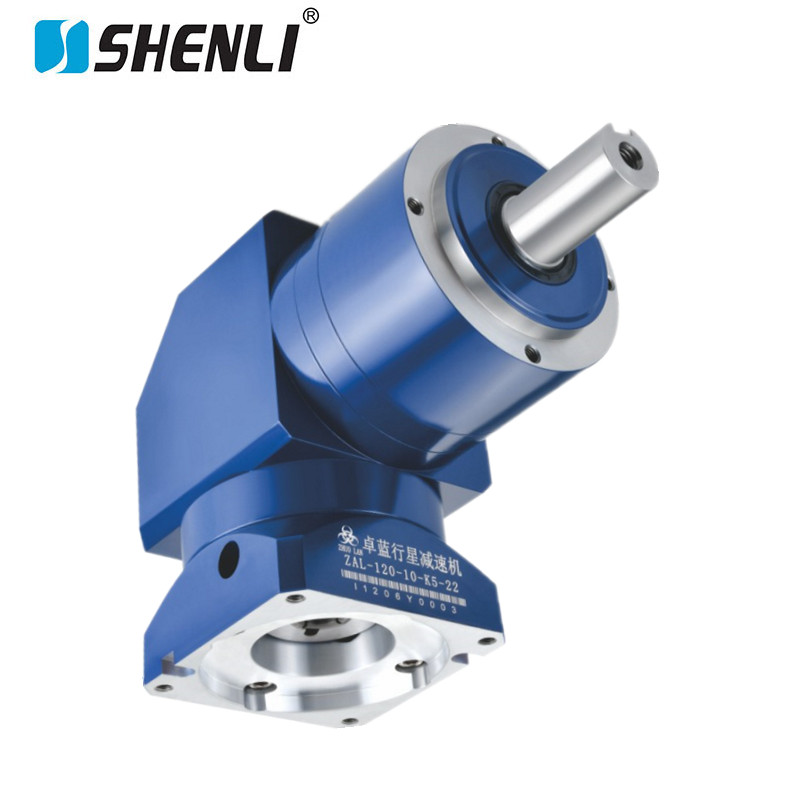
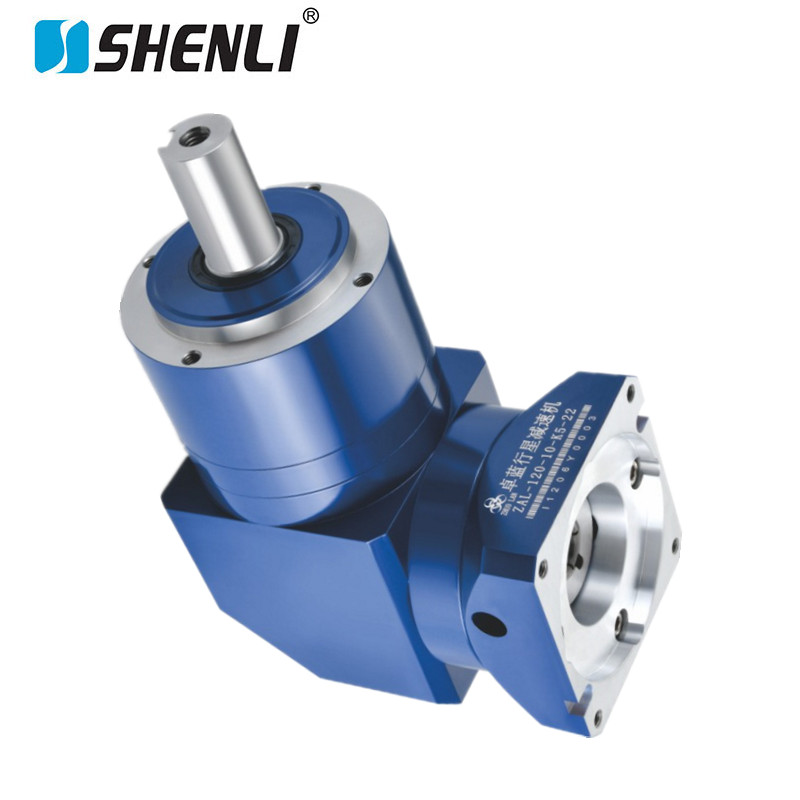
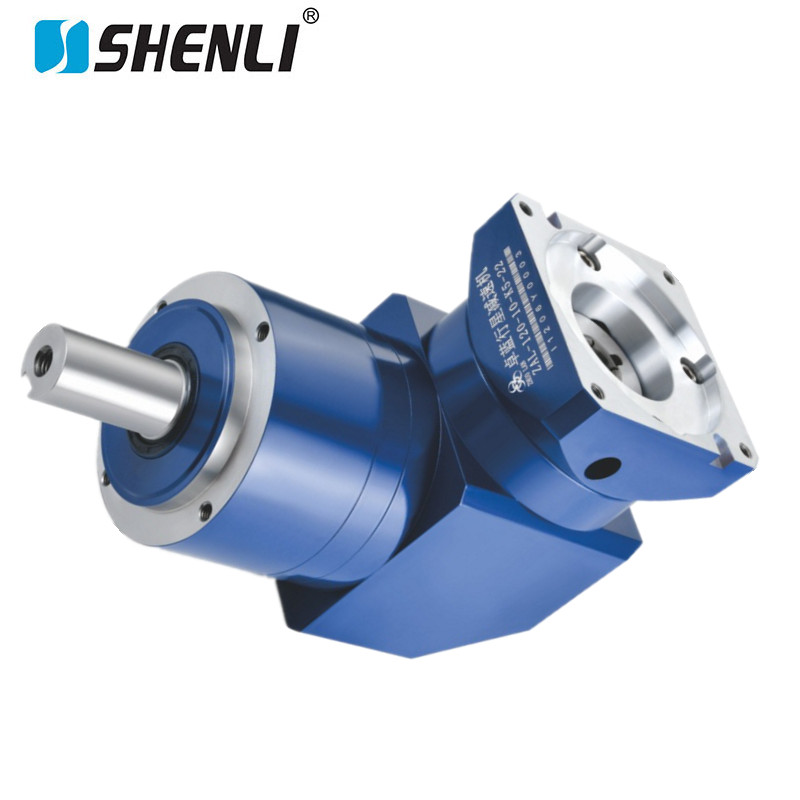
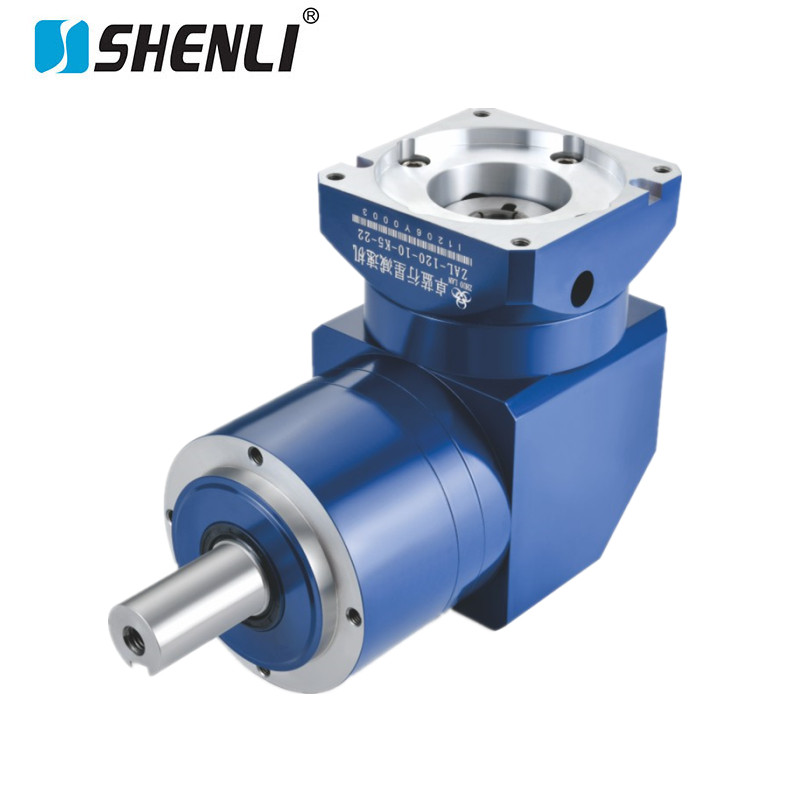
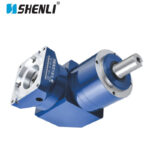
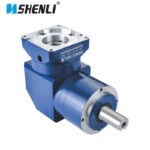
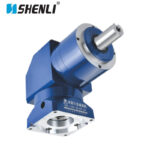
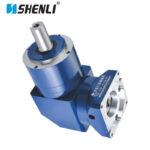
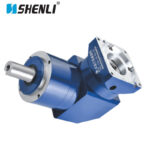
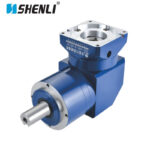
Description
ZAL155 Helical Gearbox vs Planetary Gearbox
1. Understanding the Transmission Differences
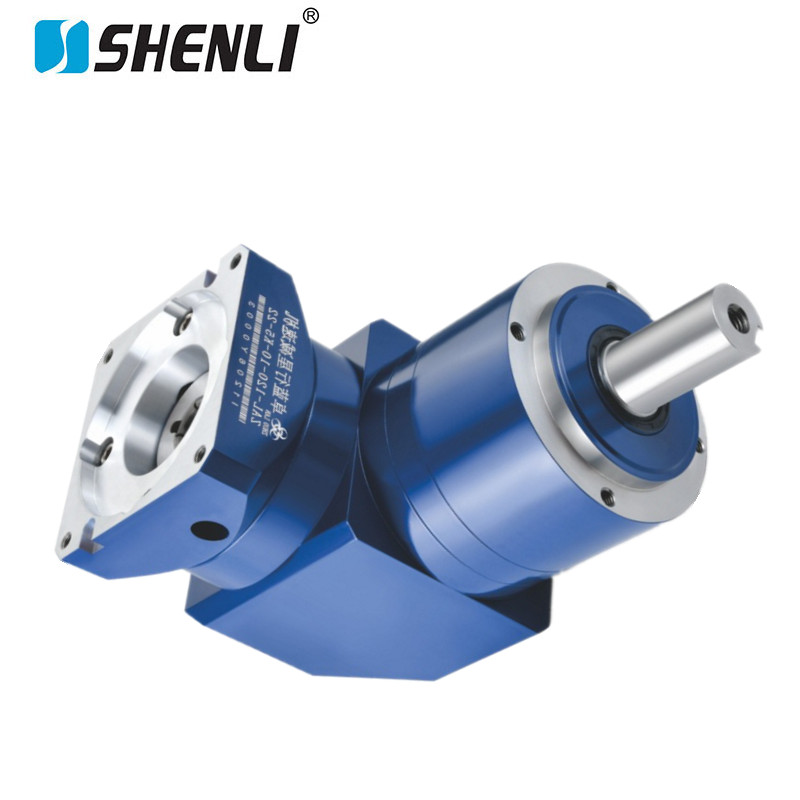
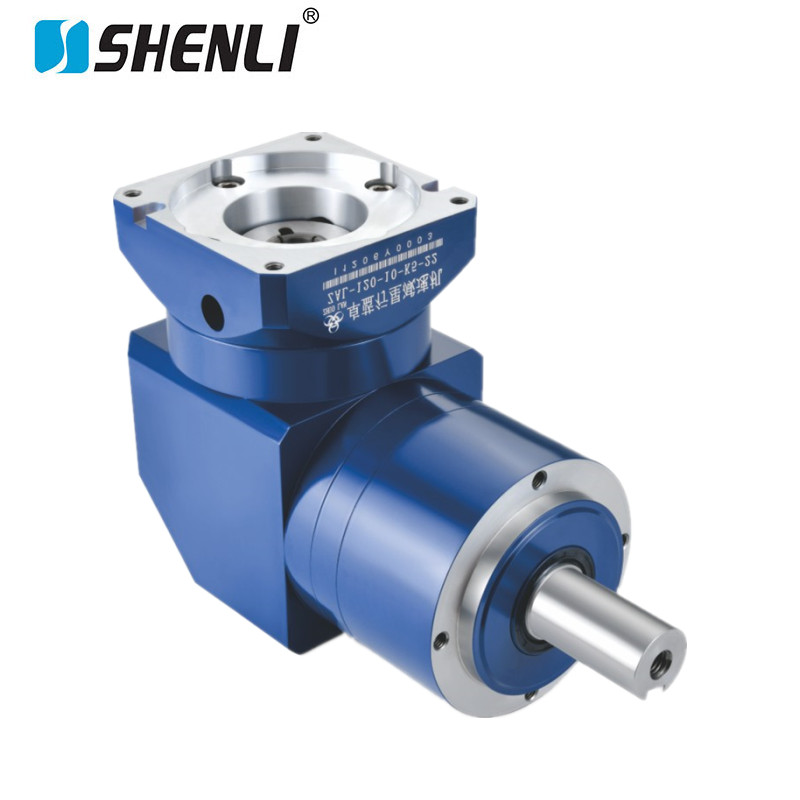
Choosing between a helical gearbox and a planetary gearbox requires evaluating the machine’s transmission requirements. The ZAL155 Helical Gearbox uses inclined gear teeth to transfer rotational power through progressive tooth engagement. A planetary gearbox uses a central sun gear, surrounding planet gears, and a ring gear. These structures distribute mechanical loads differently. Understanding the difference between a ZAL155 Helical Gearbox vs Planetary Gearbox helps engineers identify suitable transmission solutions. The final choice should consider torque, speed, precision, mounting space, and operating conditions.
2. Torque, Efficiency, and Motion Performance
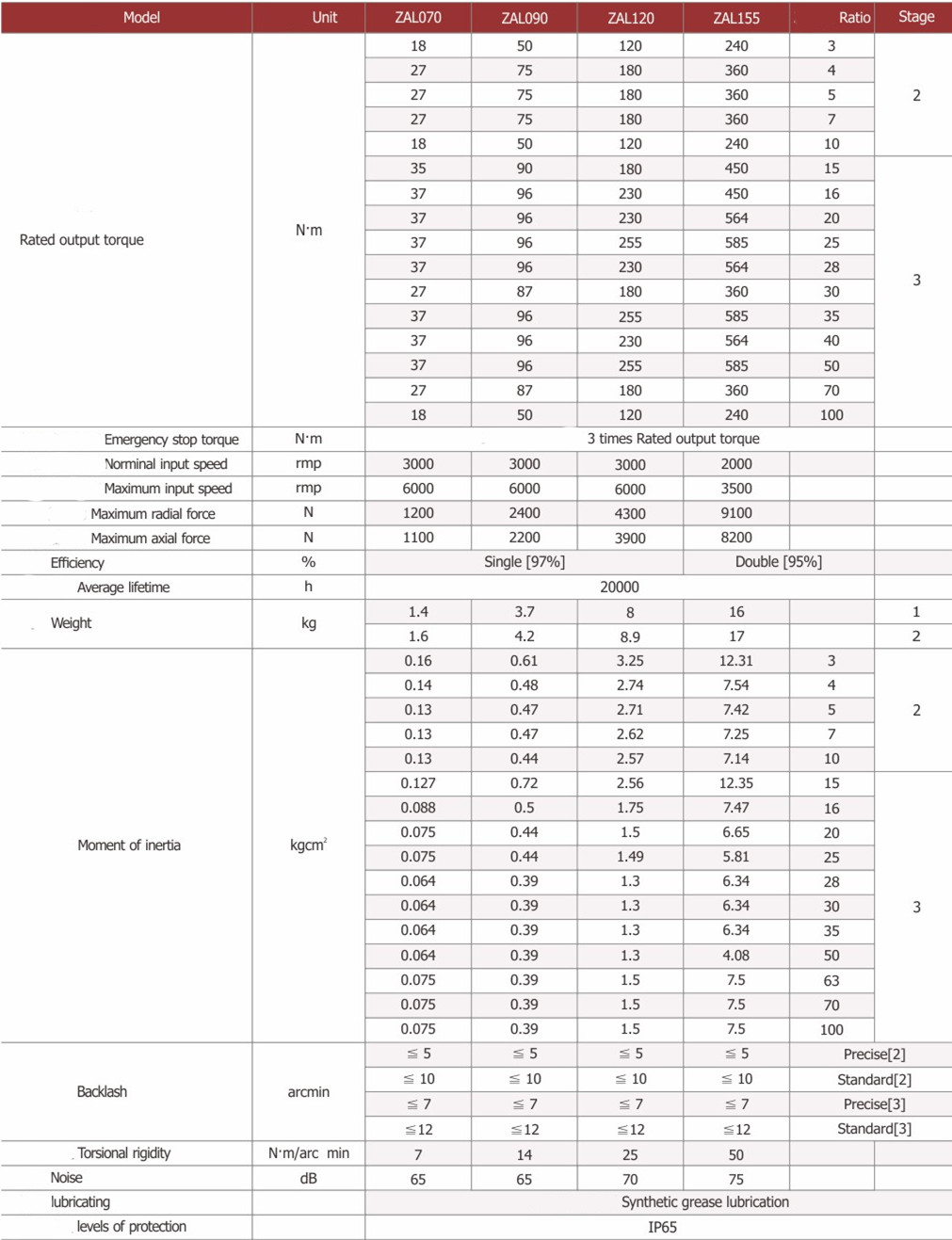
Helical gearboxes provide progressive tooth engagement that can support smooth transmission under suitable operating conditions. Planetary gearboxes distribute loads across multiple planet gears. This arrangement can provide high torque capacity within a compact transmission package. Actual efficiency depends on gear design, reduction ratio, lubrication, and operating load. Backlash also varies with manufacturing accuracy and gearbox configuration. Comparing helical gearbox torque and planetary gearbox efficiency requires verified technical data. Engineers should evaluate rated output torque, input speed, backlash, and duty cycle before selecting a gearbox.
3. Installation and Industrial Applications
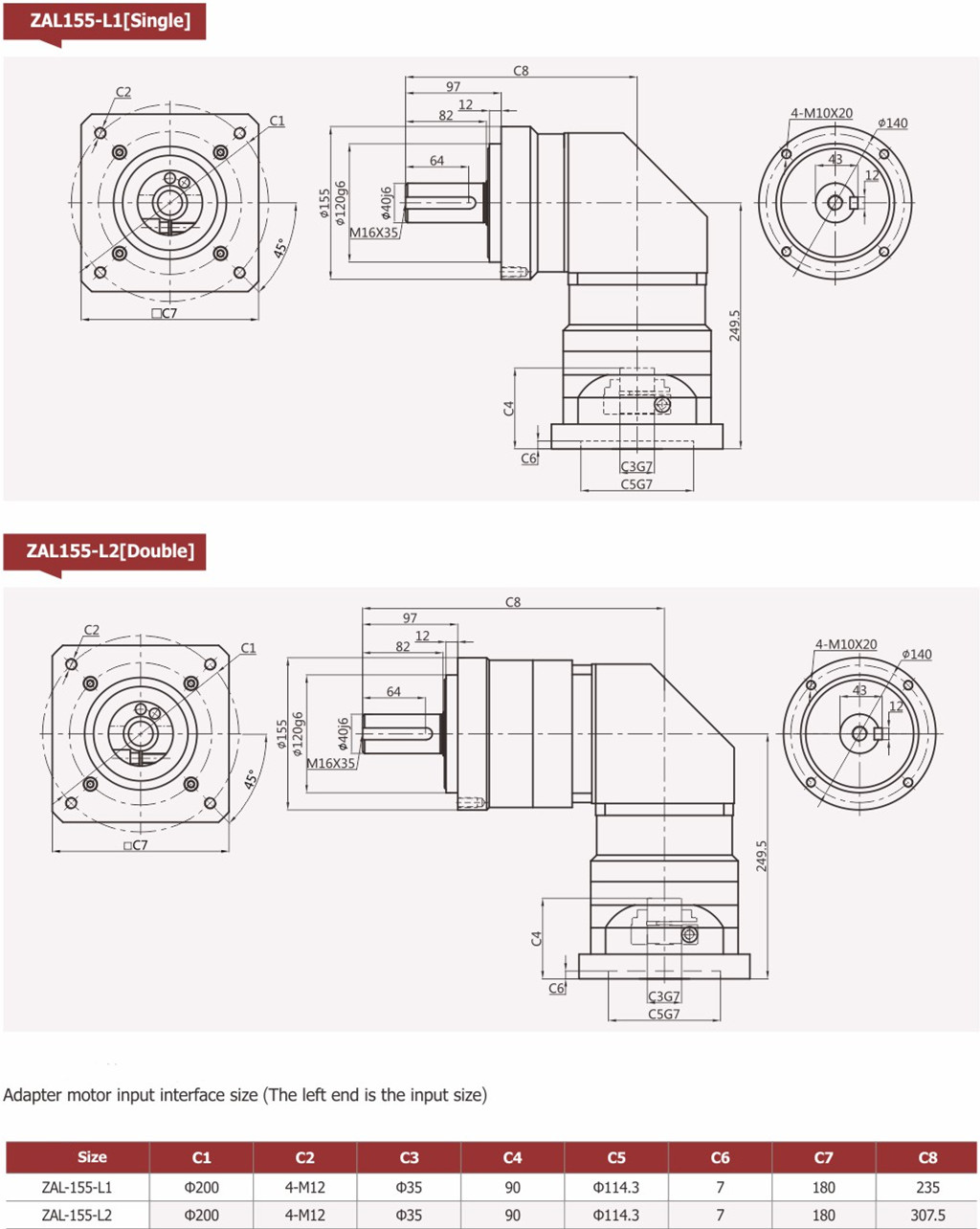
The ZAL155 Helical Gearbox can be evaluated for industrial machinery and automated drive systems. Potential applications include production equipment, conveyor drives, material handling, and motor-driven mechanisms. Planetary gearboxes may suit applications requiring high torque density and compact installation. Helical gearboxes may suit transmission layouts prioritizing specific shaft arrangements and mechanical integration. Actual suitability depends on the complete machine design. Engineers should verify mounting dimensions, shaft interfaces, allowable loads, and required gear ratios. Proper selection helps reduce integration problems and supports consistent machine operation.
4. Manufacturing Quality and Maintenance Considerations
Gearbox performance depends on gear geometry, material quality, manufacturing accuracy, and assembly control. Accurate tooth profiles support consistent contact between mating gears. Appropriate lubrication helps manage friction and wear during operation. Correct alignment and mounting also influence noise, temperature, and service life. Specific manufacturing processes should be confirmed through the manufacturer’s documentation. Buyers comparing the ZAL155 Helical Gearbox with a planetary gearbox should review the official dimensional drawings and performance specifications. This approach helps align purchasing decisions with actual application requirements.
5. Selecting the Right Gearbox Solution
A suitable gearbox must match the motor, load profile, operating speed, and installation constraints. Buyers should compare rated torque, reduction ratios, efficiency, backlash, and maintenance requirements. Total system cost should also include installation, lubrication, and expected service life. Requesting verified technical data helps prevent incorrect assumptions during equipment design. The ZAL155 Helical Gearbox comparison provides a starting point for evaluating transmission options. Final selection should follow confirmed engineering specifications rather than gearbox type alone.
ZAL155 Helical Gearbox vs Planetary Gearbox – Technical Parameters
- Model: ZAL155 Helical Gearbox.
- Gear Type: Helical gear transmission.
- Gear Ratio Options: Refer to the verified ZAL155 ratio table.
- Rated Output Torque: Confirm the torque rating for each available ratio.
- Emergency Stop Torque: Refer to the official technical specification.
- Rated Input Speed: Confirm the specified operating speed.
- Maximum Input Speed: Refer to the manufacturer’s datasheet.
- Maximum Radial Load: Confirm the allowable radial force.
- Maximum Axial Load: Confirm the allowable axial force.
- Transmission Efficiency: Verify the efficiency for each gearbox configuration.
- Gear Stages: Confirm the applicable stage configuration.
- Backlash: Refer to the specified precision grade and stage.
- Torsional Rigidity: Confirm the rated torsional stiffness.
- Moment of Inertia: Check the value for each supported gear ratio.
- Noise Level: Refer to the manufacturer’s test data.
- Lubrication: Confirm the specified lubricant type.
- Protection Rating: Refer to the official IP rating.
- Weight: Verify the weight for each configuration.
- Dimensions and Mounting: Refer to the ZAL155 dimensional drawing.
- Gearbox Selection: Compare torque, speed, backlash, installation space, and operating conditions when evaluating helical and planetary gearboxes.