-150x150.jpg)
Description
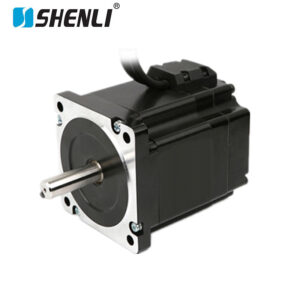
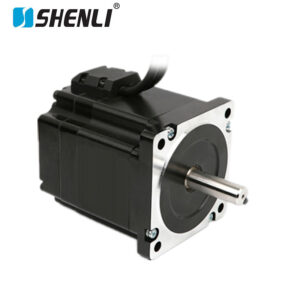
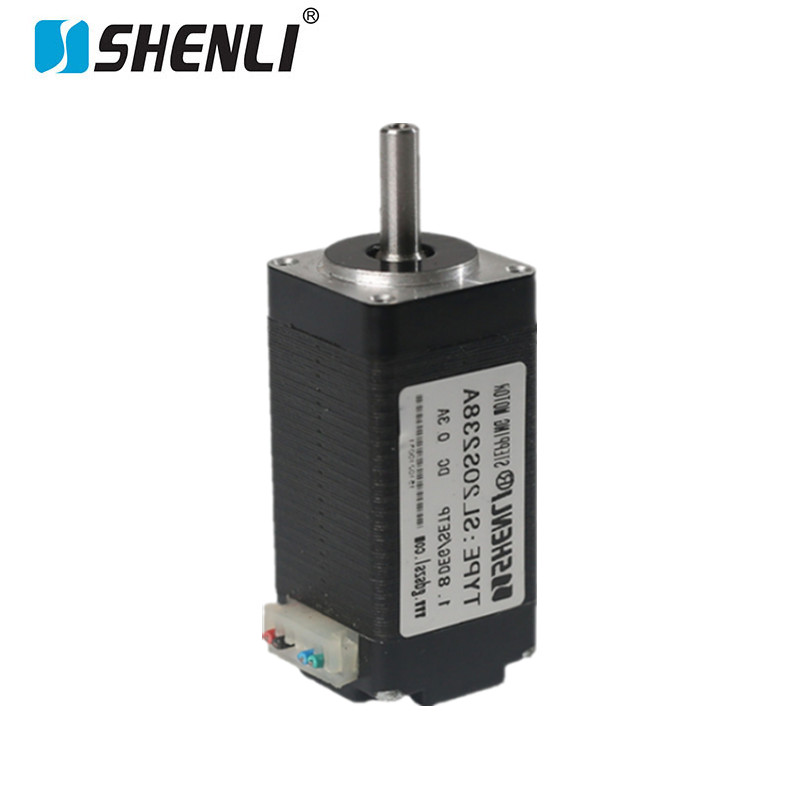
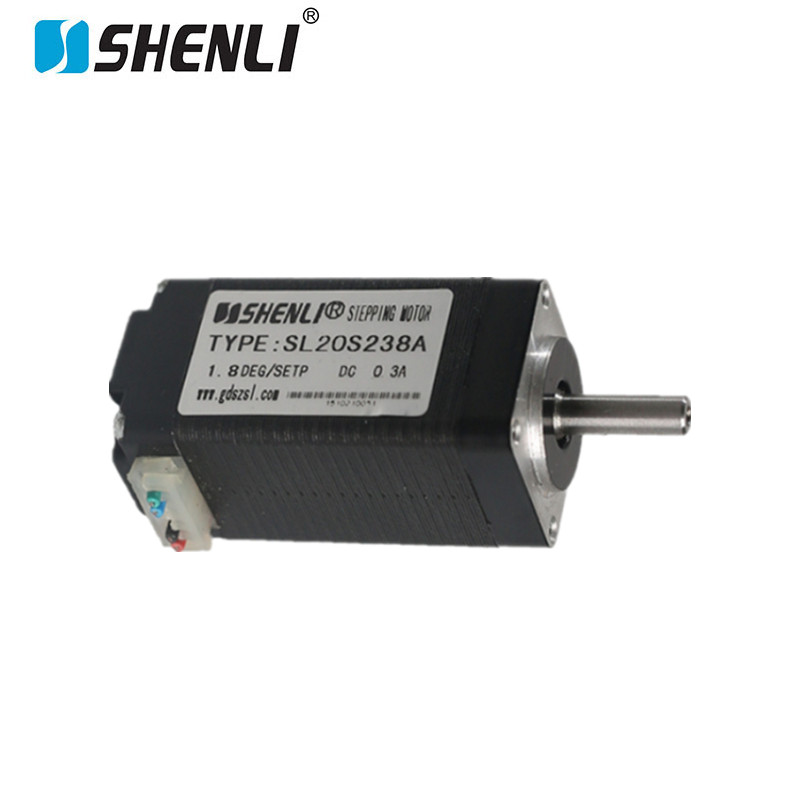
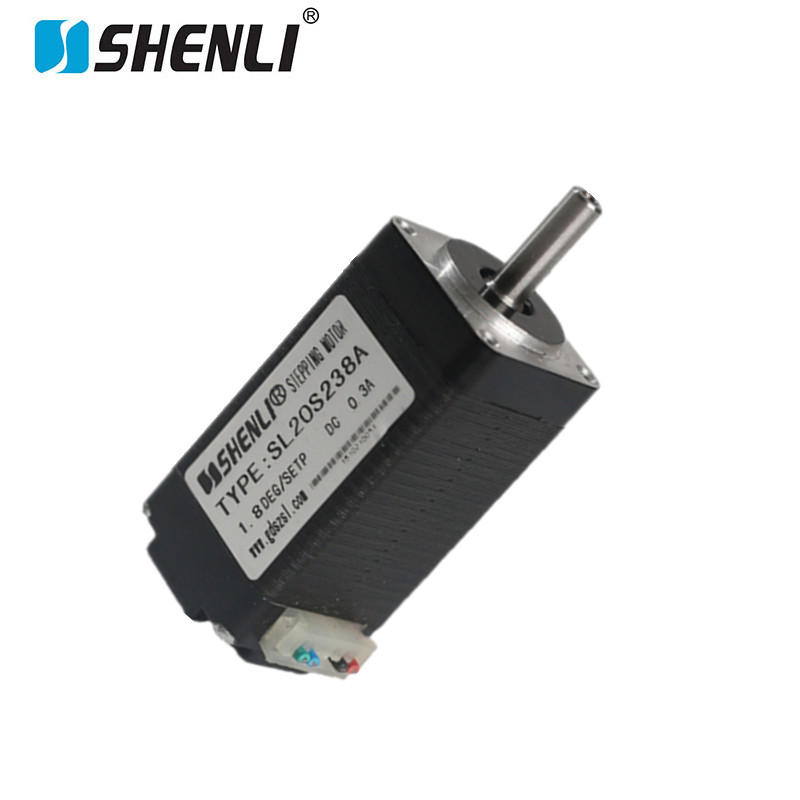
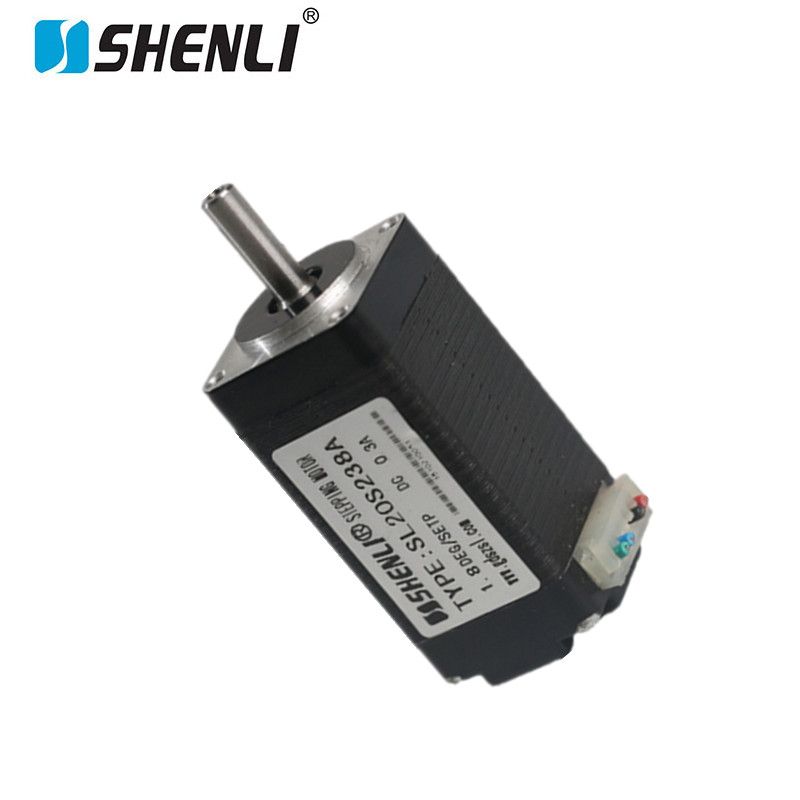
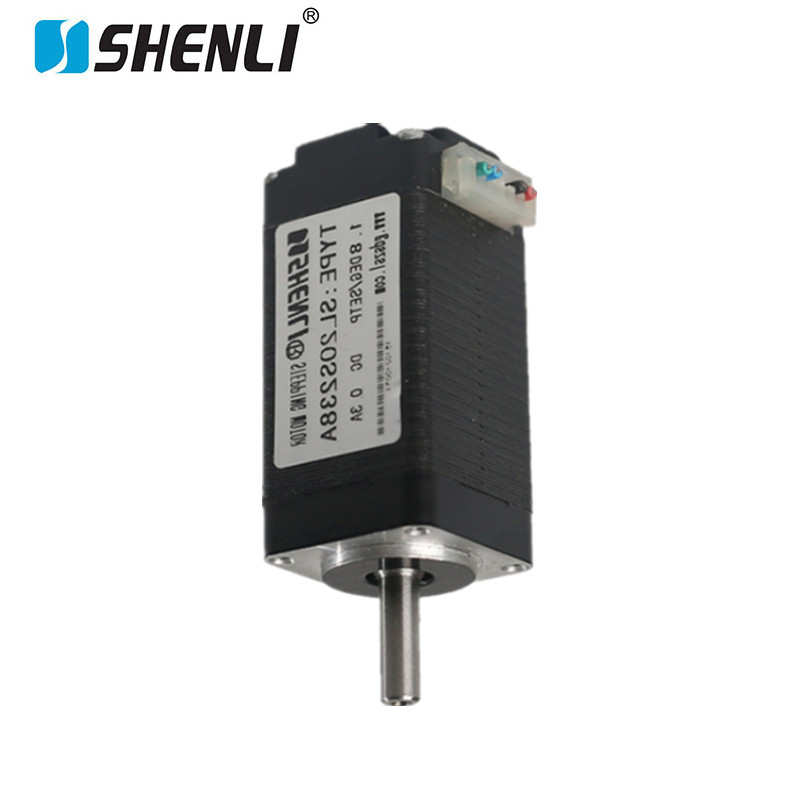
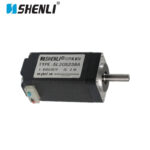
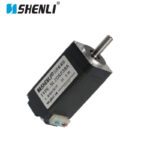
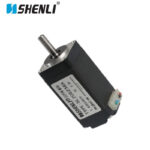
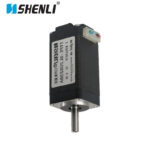
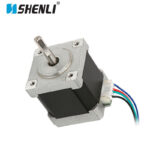
NEMA 8 Stepper Motor for Compact Precision Motion
The NEMA 8 stepper motor is an ultra-compact motion control solution for space-constrained equipment. It combines a small frame with stable torque output and precise step control. This design helps engineers integrate reliable motion into increasingly compact machine architectures.
The motor is suitable for medical equipment, laboratory instruments, optical systems, semiconductor machinery, miniature automation, and compact robotics. Its compact structure helps reduce installation space without requiring engineers to move to a larger motor platform.
Designed for High-Precision Motion Control
Modern equipment often requires precise positioning within increasingly limited installation spaces. The NEMA 8 stepper motor addresses this requirement with its compact frame and controlled step movement. A standard 1.8° step angle supports precise incremental positioning. The motor can also work with compatible microstepping drivers for smoother motion control.
This makes it suitable for mechanisms requiring repeatable movement and fine positional adjustment. Typical applications include miniature linear stages, metering mechanisms, precision dispensing systems, and compact positioning assemblies.
Compact Size with Reliable Torque Output
The main advantage of this miniature stepper motor is its compact mechanical footprint. Its small size helps engineers optimize internal machine layouts. At the same time, the motor delivers dependable torque for suitable low-to-moderate load motion applications. The low rotor inertia also supports responsive acceleration and deceleration.
This characteristic can help compact equipment achieve faster movement transitions. For OEM machine builders, the combination of compact dimensions and controlled motion provides greater flexibility during mechanical design.
Smooth and Repeatable Step Control
Stepper motors convert electrical pulse signals into controlled mechanical movement. The NEMA 8 design provides synchronization between driver signals and motor rotation. This makes it suitable for open-loop positioning systems where predictable incremental movement is required.
Compatible microstepping control can further improve motion smoothness. The actual positioning accuracy depends on the motor configuration, driver, mechanical transmission, load, and system design.
Low Vibration and Quiet Operation
The motor is designed for smooth operation within appropriate operating conditions. Its compact rotor structure and optimized electromagnetic design can help reduce unnecessary vibration. Lower vibration can benefit laboratory instruments, optical positioning systems, and other precision equipment.
Quiet operation is also valuable for equipment used in controlled working environments. Actual noise and vibration performance depend on the drive method, mounting structure, operating speed, and load conditions.
Efficient Electromagnetic Construction
The NEMA 8 stepper motor uses silicon steel laminations and copper windings to support magnetic and electrical performance. The electromagnetic design helps maintain consistent motor operation within its specified working range.
Its compact construction also supports efficient integration into miniature motion systems. For equipment manufacturers, appropriate motor selection should consider voltage, current, torque, speed, duty cycle, and driver compatibility.
Precision Mechanical Components
SHENLI uses precision-machined components to support consistent motor assembly.
Key mechanical elements include:
- Precision-machined shaft
- Balanced rotor
- Quality bearings
- Controlled dimensional tolerances
- High-grade magnetic materials
- Premium copper windings
These components contribute to smooth rotation and stable mechanical performance.
Consistent assembly dimensions also help engineers integrate the motor into precision mechanical structures.
Manufacturing and Quality Inspection
Reliable stepper motor performance starts with controlled manufacturing processes.
SHENLI applies quality checks throughout motor production and assembly.
Depending on the product configuration, inspection can include:
- Electrical performance testing
- Torque verification
- Dimensional inspection
- Winding inspection
- Assembly inspection
- Running performance testing
- Final quality inspection
These checks help maintain consistency between production batches.
For OEM projects, inspection requirements can also be discussed according to the customer’s application and quality system.
NEMA 8 Stepper Motor – Technical Specifications
General Specifications
- Product Name: NEMA 8 Stepper Motor
- Motor Type: Hybrid Stepper Motor
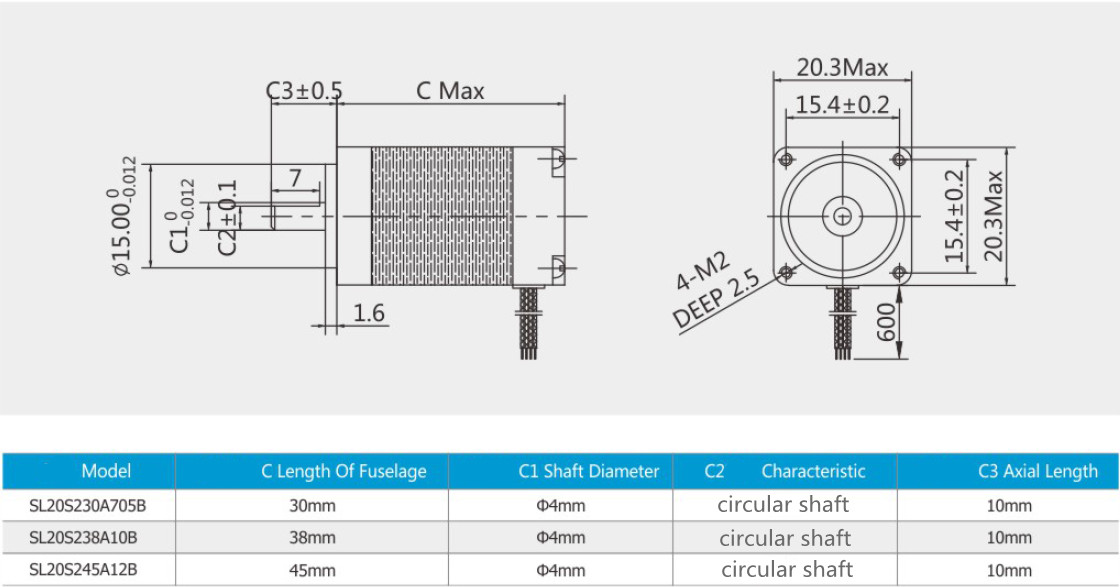
- Frame Size: 20 mm × 20 mm (NEMA 8 Standard)
- Step Angle: 1.8° ± 5% (200 steps per revolution)
- Number of Phases: 2-Phase
- Rotation Direction: Clockwise / Counterclockwise via pulse control
- Mounting Standard: NEMA 8 mounting pattern
Electrical Specifications
- Rated Voltage: 3V DC – 24V DC (depending on winding configuration)
- Rated Current: 0.3A – 1.0A per phase
- Phase Resistance: 3.5 Ω – 30 Ω
- Phase Inductance: 1.2 mH – 8.5 mH
- Insulation Resistance: 100 MΩ minimum at 500V DC
- Dielectric Strength: 500V AC for 1 minute
- Insulation Class: Class B (130°C)
Mechanical Specifications
- Motor Length: 18 mm – 38 mm
- Shaft Diameter: 4 mm standard
- Shaft Configuration: Round shaft, D-cut shaft, or customized shaft
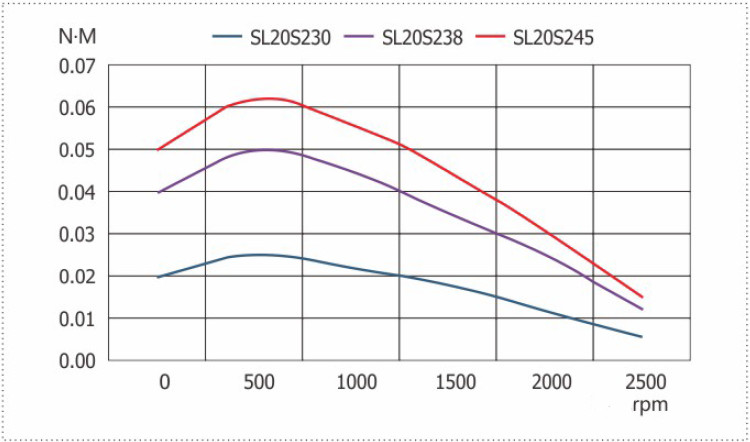
- Holding Torque: 0.015 N·m – 0.08 N·m
- Detent Torque: 2 – 8 mN·m
- Rotor Inertia: 2 – 12 g·cm²
- Bearing Type: Precision ball bearings
- Radial Load Capacity: Up to 15 N (20 mm from flange)
- Axial Load Capacity: Up to 5 N
Operating Characteristics
- Maximum Recommended Speed: 1,500 RPM
- Positioning Repeatability: ±0.09°
- Microstepping Compatibility: Up to 1/256 microstep drivers
- Operating Noise: Low-vibration electromagnetic design
- Temperature Rise: ≤ 70°C under rated operating conditions
Environmental Specifications
- Operating Temperature: -10°C to +50°C
- Storage Temperature: -20°C to +70°C
- Relative Humidity: 20% – 90% RH (non-condensing)
- Protection Rating: IP20
- Service Life: Up to 15,000 operating hours under normal industrial conditions
Typical Applications
- Precision optical instruments
- Medical diagnostic equipment
- Laboratory automation systems
- Compact robotic mechanisms
- Semiconductor handling devices
- Camera positioning systems
- Electronic dispensing equipment
- Miniature motion-control assemblies

-300x300.jpg)
-300x300.jpg)
-300x300.jpg)